




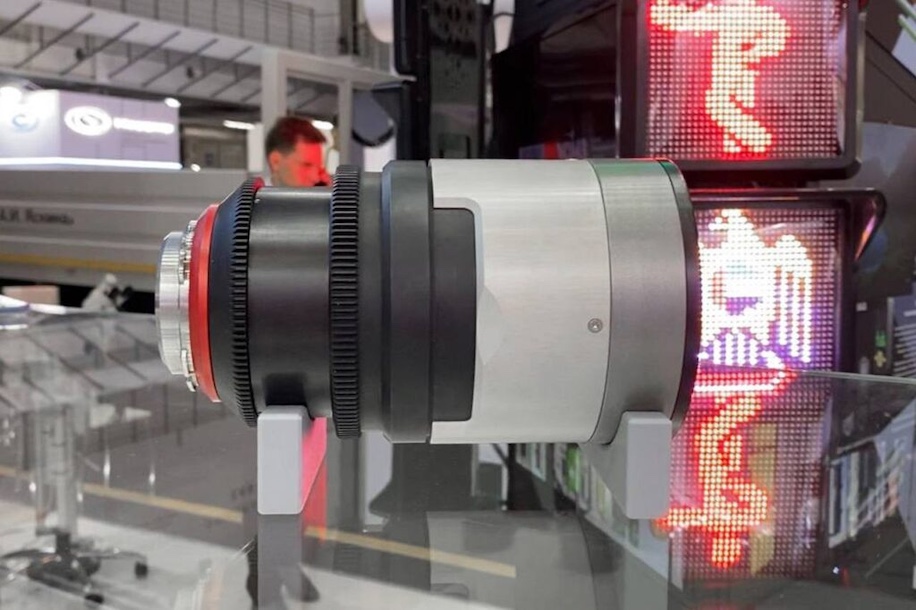
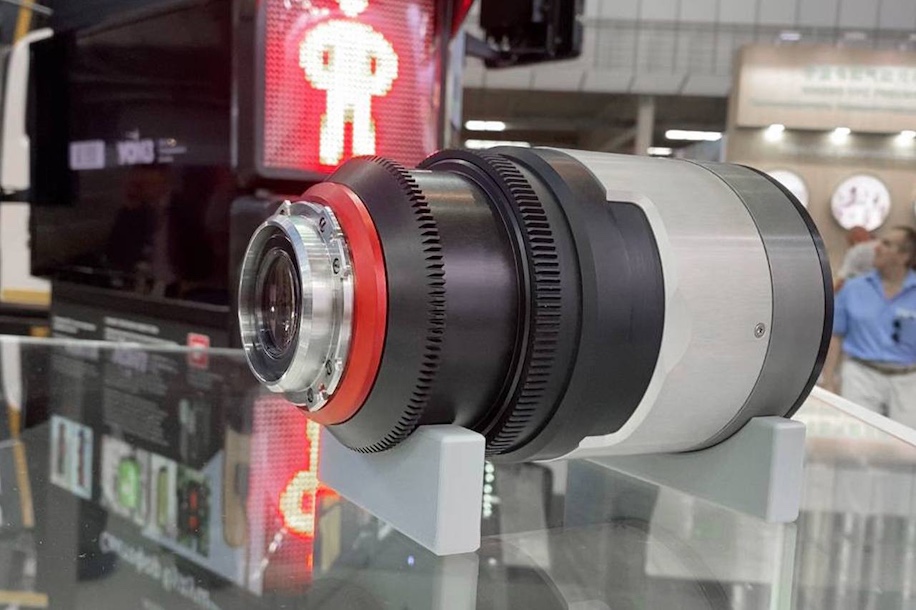
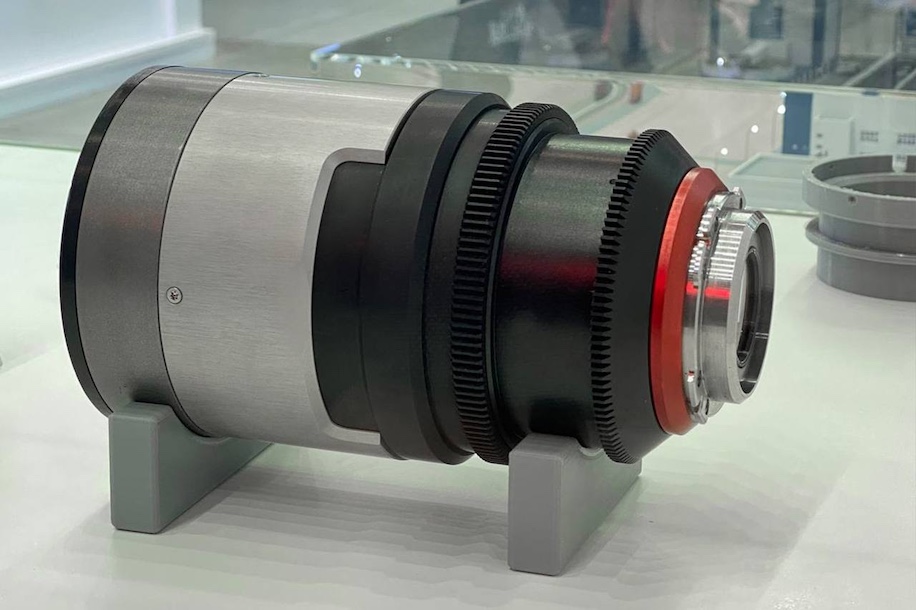
Shvabe Holding, a subsidiary of Rostec State Corporation, recently unveiled Russia’s first anamorphic cinema lens at the Innoprom 2026 event. This 80mm lens is the first domestically-produced anamorphic lens prototype to be showcased in Russia. The Lytkarinsky Optical Glass Plant (LZOS), part of the Shvabe group, developed the anamorphic lens series, which includes four different focal lengths:
- 40mm
- 60mm
- 80mm (first completed prototype)
- 100mm
These lenses offer a 2x anamorphic squeeze and come with a standard PL mount, with adapters available for alternative mounts, making them ideal for digital cinema cameras.
s
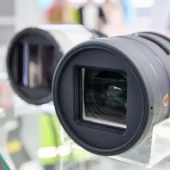
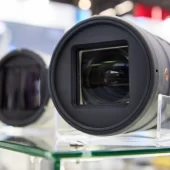
Key features of these lenses include:
- An ultra-wide view without the typical edge distortion and corner darkening of wide-angle spherical lenses.
- A unique cinematic look characterized by distinct bokeh and flare effects.
- Exceptional image quality, offering a unique visual experience that stands out from many international options.
- The front elements are designed with a distinctive concave shape, a unique feature that ensures the horizontal squeeze while maintaining image integrity.
“The creation of anamorphic lenses is a crucial advancement for domestic manufacturers and the Russian film industry. Along with wide horizontal frames and superior image quality, these lenses offer the possibility of creating distinctive cinematic effects. We plan to commence mass production next year, with the initial batch comprising four sets. Test units will be released this year for film studios, and they will be priced lower than their international counterparts.” — Lev Borisov, Deputy General Director for Sales of Civilian Products at Shvabe Holding
Development Timeline & Availability
- July 2026: The 80mm prototype made its public debut.
- Later in 2026: Test units to be available for film studios.
- 2027: Commencement of mass production, beginning with an initial batch of four sets.
LZOS & Shvabe Overview
The Lytkarinsky Optical Glass Plant is one of Russia’s leading optical manufacturing facilities, noted for its ability to produce large ground and space-based mirrors used in significant telescopes around the globe. The plant is also known for its Rubinar mirror lenses.
Previous discussions on Russian lenses e.
The post s appeared first on s.