


Flashbacks are a storytelling tool that can ignite passionate debates. While some audiences love them, others are less enthusiastic. Some directors gain acclaim for masterful flashback use, while others falter with poor execution. Ultimately, flashbacks are a narrative device that, when used wisely, can greatly enhance a story. Let’s explore this classic cinematic technique and discover how to seamlessly incorporate flashbacks into your films!
One of cinema’s remarkable capabilities is its manipulation of time. As we discussed in our comprehensive look at frame rates, flashbacks offer another method to disrupt chronological order, linking disparate moments in time.
But first, a word of caution. Visual storytelling, while powerful, is deeply subjective and often guided by personal preference. If you dislike flashbacks, their use is optional. However, understanding the various types and their potential to enrich stories is advantageous. Ready to dive in?
Defining Flashbacks
The technical term for a flashback is “analepsis,” defined by the Cambridge Dictionary as “the act of depicting a past event later than its chronological occurrence in the story.” In simpler terms, flashbacks reveal past events that preceded the main plot. Their main role is to provide crucial backstory or context, enhancing viewer comprehension. For example, when young Harry Potter learns about his parents’ demise, viewers relive those past events vividly:
Flashbacks serve different dramatic purposes, sometimes revisiting scenes within the main narrative or showcasing events outside the plot’s timeframe.
Besides flashbacks, filmmakers employ techniques like flashforwards and “flash-sideways,” a term popularized by the early 2000s series “Lost,” which introduced alternate realities in its final season.
The Dramatic Role of Flashbacks
“Cinematic Storytelling” notes that many screenwriting guides warn against flashbacks, labeling them as catch-up devices. While this is true of their function, their effectiveness hinges on proper execution.
I concur. Condemning a tool due to its misuse in some films is unnecessary. Flashbacks transcend mere context-providing; they can deepen character understanding and foster emotional connections.
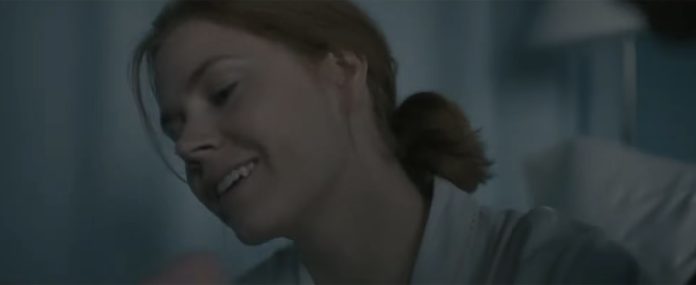
For instance, in the psychological horror “Smile,” brief glimpses into Mary’s childhood—though she isn’t the lead—reveal her personal struggles, clarifying her actions and enhancing the film’s complexity.
Flashbacks can also play with audience expectations. Instead of clarifying, they introduce seemingly unrelated puzzle pieces, amplifying the eventual revelation. Denis Villeneuve’s “Arrival” exemplifies this, misleading viewers to believe they are witnessing character memories, only to upend this assumption in a unique twist.
Highlighting Plot Twists
An earlier Villeneuve work, the 2010 mystery drama “Incendies,” showcases another compelling use of flashbacks. The narrative unfolds across timelines, but a standout flashback follows a climactic revelation.
Post-revelation, viewers revisit the pool scene where it all began, newly understanding the mother’s reaction to a stranger’s tattoo. This flashback reinforces the plot twist without over-explaining, much like the climax of “The Sixth Sense.” Avoid that scene if you haven’t watched the film—it’s a classic twist!
Why do these examples succeed? They connect dots that attentive viewers can piece together themselves, rather than serving as arbitrary explanations for the ending.
When Flashbacks Falter
If flashbacks can be so impactful, why do they sometimes provoke disdain? Often, they’re poorly used to fill plot holes or remind viewers of recent events—a pet peeve of mine known as the “goldfish effect.”
Picture this: You’re engrossed in a series, and a character realizes something simultaneously with you. Yet, the creators insert a flashback from just 20 minutes ago. This irked me in the first season of “Squid Game,” leading me to question the creators’ opinion of their audience’s intelligence. During a pivotal scene, a multi-minute flashback montage recaps the season, underestimating viewers.
The lesson here is not to underestimate your audience. Part of the viewing pleasure lies in piecing together the narrative independently. Excessive repetition can detract from the experience, resembling poor exposition.
The ending of “Now You See Me” exemplifies flashbacks’ potential to diminish story impact. Despite its engaging mystery and twists, the film concludes with a flashback montage that undermines its suspenseful buildup. Alex Buono emphasizes the importance of clarity in films, but this doesn’t justify spoon-feeding viewers. If your plot requires flashbacks for clarity, it may indicate a writing issue.
Visual Approaches to Flashbacks
Visually, flashbacks can be integrated in numerous ways. They might be stylized, like overlapping footage in “Layer Cake,” where a traumatized protagonist’s memories unfold with no dialogue needed—just an understanding of her motivations.
Filmmakers often distinguish flashbacks with unique visual styles, such as black-and-white or distinctive filters. However, be cautious, as these techniques can pull viewers out of the story, underscoring the film’s artifice. While not inherently problematic, this effect should be considered.
The Cliché of Flashbacks
The white fade transition into a slow-motion “memory” is a frequent flashback indicator. As seen earlier in “The Six Sense,” this technique has become a cliché over decades. The comedy series “Scrubs” humorously mocks this, using the transition whenever main character J.D. reminisces or daydreams.
Clichés can help audiences quickly grasp concepts when new visual ideas are scarce. However, if you seek a raw, impactful story, it’s best to avoid them.
A Modern Take on Flashbacks
What other visual strategies are available? Endless possibilities. For instance, “Tenet” integrates flashbacks into reverse-action scenes. While complex, even simple hard cuts can effectively convey flashbacks when well-timed.
In “Train Dreams,” a powerful scene shows the protagonist, Robert Grainier, joyously flying in an airplane. As he experiences this, a cascade of life memories unfolds without transitions. Director Clint Bentley explains this montage consists of unused footage, skillfully woven into the present-moment scene to evoke a life’s beauty, seamlessly connecting past and present.
Crafting Harmonious Flashbacks
To conclude, powerful flashbacks must meet several criteria. They should serve a narrative purpose, heightening stakes or enhancing character development. If they can be omitted, they likely aren’t essential. Flashbacks feel most genuine when rooted in character memories, containing cleverly placed clues for later use.
The series “Lost” excels in using flashbacks, especially in its first season, to:
- Illuminate characters’ backstories, revealing secrets and deepening understanding
- Tell standalone stories, engaging on their own merit
- Link past and present elements, like the lottery numbers significant to Hurley
What about you? Do you have favorite or least favorite flashbacks from films or series? Share your thoughts in the comments below!
Feature image: Film stills from “Kill Bill: Vol. 1” by Quentin Tarantino, 2003; and “Train Dreams” by Clint Bentley, 2025. Full disclosure: Cined is my workplace.
Additional source: “Cinematic Storytelling” by Jennifer Van Sijll, 2005.